Man City’s 115 Charges: Why the ‘Ignorant’ Premier League Still Won’t Speak.

It’s May 2nd, and the Premier League title race is on fire. Arsenal is sitting at 73 points, and Man City is breathing down their necks with 70. But while the fans are arguing about goals and points, there’s a massive “115” shaped elephant in the room that the Premier League is choosing to ignore. 

Files charges on man city

The “No Comment” Strategy

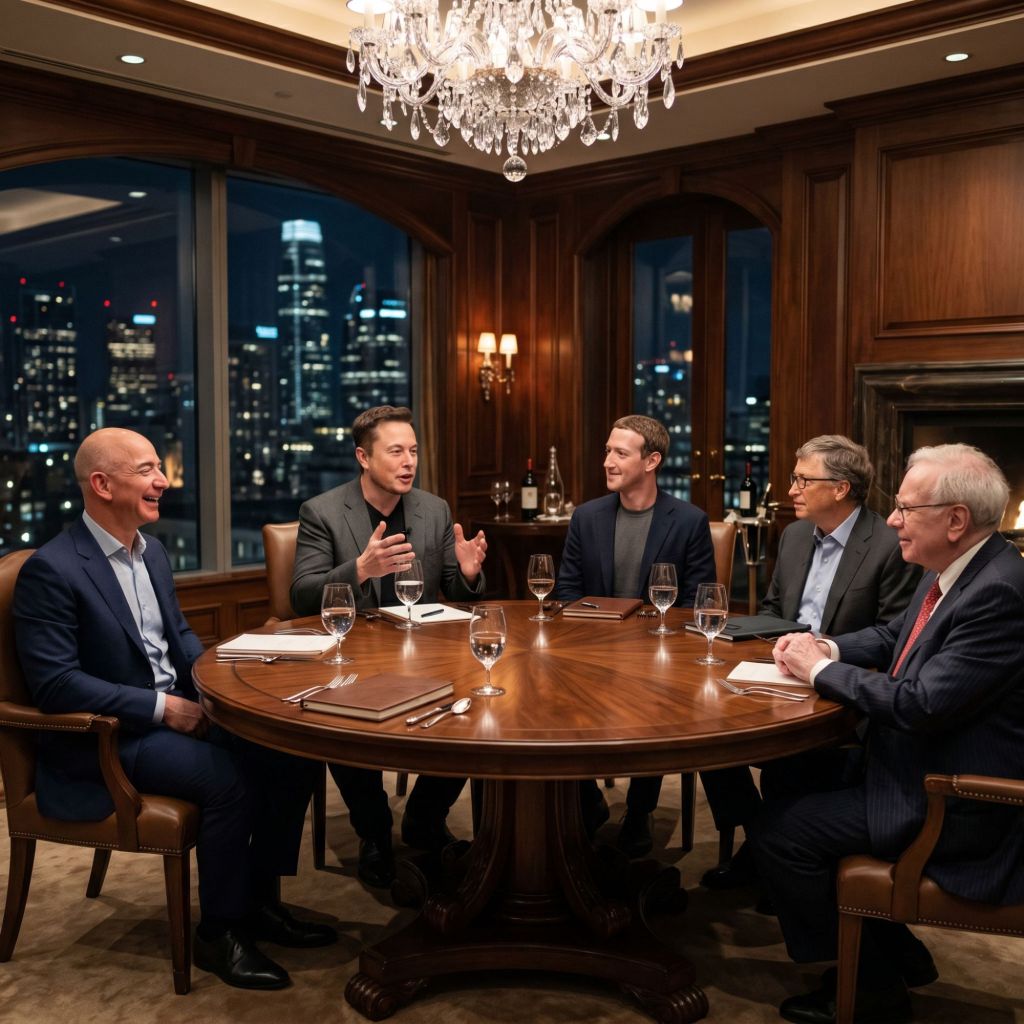
The real gist right now is the silence from the top. Premier League CEO Richard Masters was recently asked again about the status of the investigation. His answer? “I simply can’t comment. Having spent three years not commenting, I’m not going to start now.” To the fans in the viewing centers, this sounds like pure ignorance. How can you have the most intense title race in years happening while 115 charges of financial “cheating” are tucked away in a drawer? We saw the league move with lightning speed to punish Everton and Nottingham Forest for their small spending issues, yet for the “Big Boys” in Manchester, the clock has seemingly stopped. 

CEO RICHARD MASTER

The 60-Point Nuclear Option

The journalism behind the scenes is getting dark. Experts are now whispering that if the independent panel actually finds City guilty, we aren’t looking at a small fine. We are looking at a 60-point deduction.
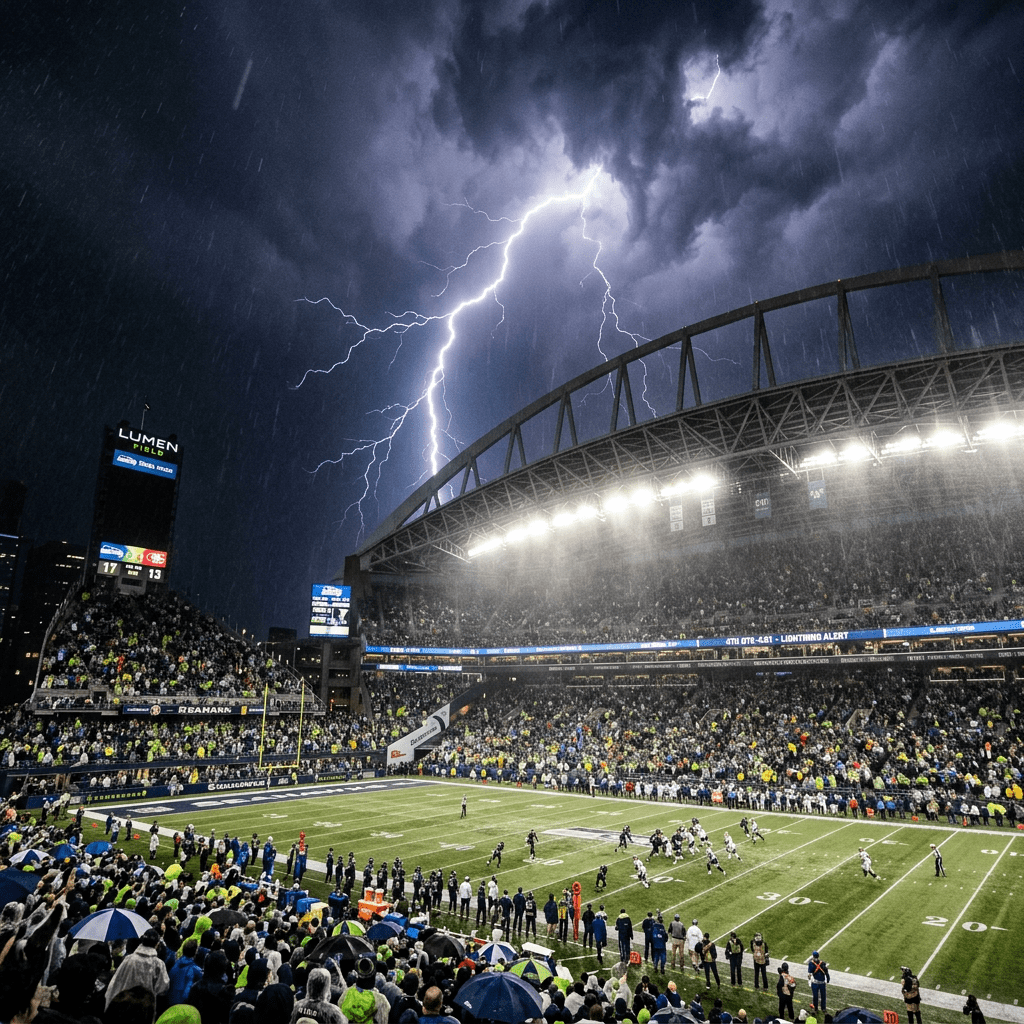
Think about the drama: Man City could lift the Premier League trophy on the final day, only to have it stripped away by a legal team a week later. It would be the biggest scandal in the history of sports, and yet, the league remains “ignorant” and silent, letting the season play out like everything is normal.

The championship 🏆

The Soul of the Game

As someone who loves the cinematic side of football, this feels like a movie where the ending has already been leaked, but the directors are pretending they don’t know it. If the fans lose faith in the fairness of the league, the 8K broadcasts and the million-dollar kits won’t matter.
The Premier League is at a crossroads. They can’t stay “ignorant” forever. Either the rules apply to everyone, or the “Most Competitive League in the World” is just a high-budget fiction.
What do you think? Is the Premier League ignoring the charges to protect their “Brand,” or are they genuinely waiting for the right moment to drop the hammer? Let’s hear your raw gist in the comments

THE LAST DANCE? Why the 2026 AMVCA Feels Different.

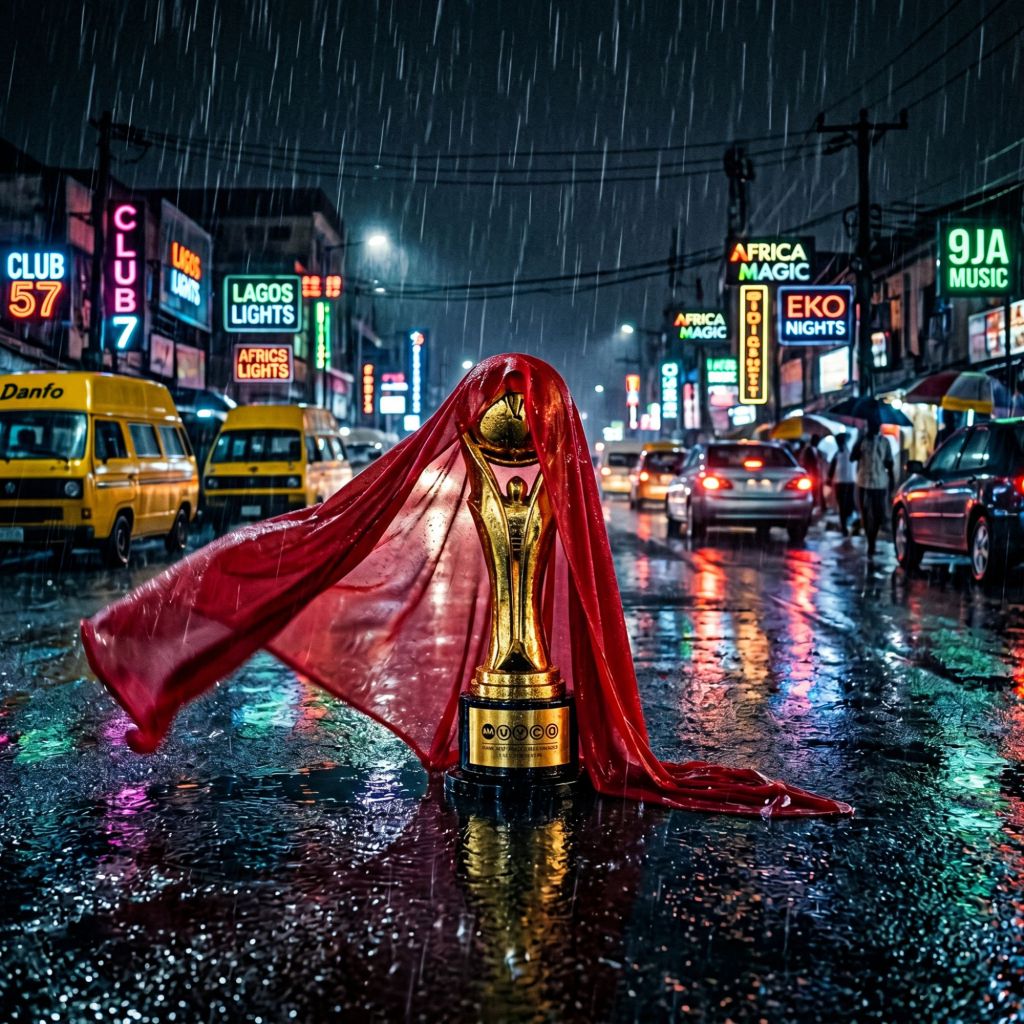
The prize

The red carpet is being dusted off for May 9th, but let’s be real—the vibe in Nollywood right now isn’t just about glamour. It’s about survival. The heavy gist flying around the industry is something we all hoped wasn’t true: This might actually be the last time we see the AMVCA. ### The Industry is Panicking
When a veteran like Mildred Okwo comes out to say she’d be “surprised” if the awards continue, you know the house is on fire. It’s not just talk. We’re looking at a massive economic shift. Between the crazy cost of production in Lagos and the boardroom changes at MultiChoice, the “Oscars of Africa” is standing on shaky ground.

The “New Nollywood” Reality

As a filmmaker myself, this hits home. If the big stage disappears, where does that leave the rest of us? The ones pushing 8K visuals and raw, authentic stories? If the “Old Guard” can’t keep the lights on at the AMVCA, it means the power is officially shifting. The future isn’t in a hotel ballroom anymore—it’s on our phones, our YouTube channels, and right here on this blog.

Sunset of the awards

Final thought
While the stars are picking out their designer suits, the real “Big Boys” are looking at the balance sheets. Whether this is the “Last Dance” or just a wake-up call, the game is changing. Nollywood will always move, but we might be watching the end of an era this week.
Is Nollywood ready for a world without the AMVCA? Or are we about to see something even bigger rise from the ashes? Let’s talk in the comments.

Why Michael Jackson Still Rules the World in 2026 :The Blueprint of a Legend

                                      The legend

They say legends never die, but in the case of Michael Jackson, he is more alive today than ever before. As we witness the global explosion of the new biopic “Michael,” which has just shattered box office records with a staggering $217 million opening, the world is being reminded of one simple truth: There is no modern music without the King of Pop.

The Blueprint for Today’s Stars
Michael didn’t just make music; he created a blueprint. Every time you see a superstar selling out stadiums, using high-tech visuals, or breaking the internet with a dance move, you are seeing the ghost of Michael Jackson. From the precision of Chris Brown and the vocal depth of The Weeknd to our very own legends like P-Square (Mr. P)—who built a Nigerian empire on the foundation of the Moonwalk—Michael’s DNA is everywhere.
Even now, in 2026, he is pulling over 49 million streams daily. Think about that. A man who left us years ago is still outperforming the biggest artists of the digital age.

Dou brothers that followed his legacy

Beyond the Stage: The Social Healer

As a storyteller and someone who looks deeply at the human condition, I find Michael’s legacy most fascinating when we look at his heart. While the world focused on the “Thriller” jacket and the sparkling glove, Michael was using his platform for a much larger mission.
Through anthems like “Heal the World” and “Earth Song,” he challenged us to look at the planet and each other with more empathy. He carried the burden of being a global icon from the age of five—a psychological weight very few humans could ever survive—yet he turned that pressure into a message of love.

Blueprint that others lives on

If Michael were here in 2026, he wouldn’t just be watching the biopic; he would have been a long living legend. He was a man of the future, always pushing the limits of what a camera could do and what a story could feel like

King of pop

The legend of Michael Jackson isn’t just about the past. It’s a roadmap for every creator, every artist, and every dreamer who wants to leave a “footprint” that time cannot wash away.
What is your “Forever” Michael Jackson song? Is it the energy of Billie Jean or the message of Man in the Mirror? Let’s discuss in the comments!

ASABA 1967: THE MASSACRE THE WORLD TRIED TO HIDE

The incoming

The Welcome That Turned Into a Wake
If you search the archives, they will tell you that on October 7, 1967, during the Nigerian Civil War, the federal troops entered Asaba. The history books say the people of Asaba—men, women, and children—marched out to welcome the soldiers, chanting “One Nigeria” to prove their loyalty.
They were dressed in Akwa Ocha—sacred white cloth. They expected a parade. They got a firing squad.

What awaits

But what the official records often gloss over—the part they don’t want you to “see”—is the psychological cruelty of the final hour at Ogbe-Osowa.

Continue reading “ASABA 1967: THE MASSACRE THE WORLD TRIED TO HIDE”

The Title: Red Candles in the LASU Heat

Emeka trying to understand the market

The ceiling fan in Room 304 was just moving the hot air around, but Emeka didn’t feel it. He was deep in the “trenches” of a 15-minute chart. On his screen, the Order Book was moving like lightning—a sea of red and green.
He had ₦2.5 million in USDT sitting in his Futures wallet. He wasn’t just “buying and holding”; he was playing with 20x leverage. To him, this wasn’t gambling. He was a “Technical Analyst.” He had spent months talking about liquidity sweeps, order blocks, and funding rates.
“WAGMI,” he whispered to himself, eyeing a bullish divergence.

Across the hall in Room 307, the atmosphere was different. Tunde wasn’t looking at charts. He was looking at a SportyBet slip. He had ₦200,000—his last “urgent 2k” multiplied by a small hustle—staked on a 30-game “long ticket.” His roommates were laughing at him. “Tunde, that one na donation o!” they joked.

Junior sat by the door, watching both worlds. He was a 100-level “freshman” who looked up to these seniors. He saw Emeka’s dual-monitor setup and his sophisticated talk about decentralization. He also saw Tunde’s loud, chaotic energy.

The Crash:
At 2:00 AM, the “Black Swan” hit. A sudden dump in Bitcoin caused a “long squeeze.” On Emeka’s screen, a massive Red Candle sliced through his “Support Zone” like a hot knife through butter.
Price: $64,200… $61,000… $58,500. Emeka’s phone buzzed with the one email every trader fears: [Binance] Liquidation Call. His ₦2.5 million—money he’d pooled from his NYSC savings and a family loan—was gone in 120 seconds. Total Rekt.

His biggest fear 😨

Seconds later, a roar shook the entire hostel block. Tunde had jumped out of Room 307, shirtless and screaming. The 94th-minute goal in a random Turkish league game had just clicked. ₦29,000,000.
The Trap:
Junior watched the celebration. He didn’t see Emeka staring into the dark with tears in his eyes; he only saw Tunde being carried like a king around the LASU gate.

What worked for tunde

The next morning, Junior looked at his portal. School Fees: ₦150,000. Hostel Rent: ₦80,000. He thought, “If Tunde can turn 200k to 29m with vibes, why can’t I turn my fees into 1 million and pay for next year too?”
He didn’t study the charts. He didn’t even study the teams. He just copied a “sure 2-odd” from a Telegram tout and put everything—every single kobo of his father’s hard-earned money—on it.
The End:
By 6:00 PM, the ticket was “Blue.” The game was a draw. Junior’s money was gone.
Now, Junior’s phone is ringing. It’s his father—a retired Soldier who lives in Ikorodu. A man who believes “the fear of God is the beginning of wisdom” and that “any money not worked for is a curse.”

   Junior weighing his future against a 30-game ticket.”

Junior,” the voice came through, stern and heavy. “I sent the balance for the hostel and fees. Did you get the alert? Send me the receipt by tomorrow morning. Don’t let me come to Ojo to find you.”
Junior sat on the floor of the hostel, the cold realization hitting him. He wasn’t Emeka with the skill, and he wasn’t Tunde with the luck. He was just another boy who let the “Lagos Dream” turn into a “Lagos Nightmare.

WHY I TRADED THE POULTRY FARM FOR A  LAPTOP SCREEN.

For the past few months, everyone has been telling me that the “real money” is in agriculture. “Tony, go into poultry,” they said. “People must eat eggs!” So, I sat down and did the math. I looked at the ₦300,000 I had saved up, and I looked at the reality of life in Benin City in 2026.
​I saw the “hidden” side of the business that nobody talks about. I saw the stress of transporting crates across bumpy roads and the fear of waking up to find half my birds gone because of a sudden disease. I realized that if I spent all my energy catering for losses and buying expensive feed, I’d be left with nothing at the end of the day.
​As a 500-level Social Work student, I’m already balancing exams, projects, and a 9-to-5 job that pays me ₦50,000. I don’t have the luxury of failing. I needed something that scales—something that doesn’t die when the light goes out or when a bag of feed jumps in price.
​That’s why I’m here.

Crunching the numbers: When the math for a poultry farm just didn’t add up.”

I’ve decided to double down on what I’m actually good at: Digital Creation. I’ve already put out over 275 horror animations on YouTube, and I’ve seen the power of 8K cinematic visuals. Why should I be carrying heavy bags of chicken feed when I can be building a global brand from my room?
This blog is my new “farm.” Instead of birds, I’m planting ideas. Instead of eggs, I’m producing content that lives forever. This isn’t just a school project; it’s the beginning of a digital empire. If you’ve ever felt stuck between a “traditional” hustle and your actual passion, follow my journey. We’re going big, and we’re doing it online.